

Key Takeaways
- Straight lines might look wavy or distorted.
- Colors can appear faded or less bright.
- Age and genetics play a big role in your eye health.
- Red light therapy, including the InfinityPro device, can help with macular degeneration.
- Regular visits to your eye doctor help keep your vision on track.
Early Vision Changes to Notice
You might sit down to read your morning newspaper and realize the text looks strangely blurry. Small details that used to be sharp can suddenly seem fuzzy or out of focus, making daily routines feel frustrating or confusing. Because clear sight is so important for driving, working, and enjoying time with your family, our team at Daniel Island Eye Care is here to help you navigate these changes.
Sometimes, these shifts can be early signs of conditions like macular degeneration. You might notice straight lines beginning to look wavy, dark or blank spots forming right in the center of your vision, or simply needing a much brighter light than usual just to read. Staying aware of these subtle changes and addressing them early is one of the most effective ways to look after your long-term vision.
Common Visual Red Flags
Your eyes often give you specific clues when your vision begins to change. You might notice that familiar straight lines like doorways, window frames, or the edge of your television screen suddenly look bent, wavy, or warped. Because macular degeneration primarily impacts your central vision, this distortion is often one of the first signs.
As the condition develops, it can also alter how your eyes process light and color. You might find yourself turning on every lamp in the room just to read a book, or struggling to navigate a dimly lit restaurant. Even colors can lose their richness; a favorite brightly colored shirt might suddenly look dull or washed out.
Aside from these everyday changes, other subtle signs to watch for include:
- Central blind spots: Dark, blank, or blurry patches forming right in the middle of your sight line, which can gradually grow over time.
- Difficulty with daily details: Finding it unusually hard to recognize familiar faces or read small print, even in good lighting.
- Light adaptation delays: Taking longer than usual for your vision to adjust when moving from a bright environment into a dimmer room.
Noticing these daily differences allows you to take proactive steps. Bringing these details to your next visit gives your eye care team a clearer understanding of your unique eye health, helping them provide the right support for your long-term sight.
Understanding Dry vs. Wet Macular Degeneration
Macular degeneration generally develops in one of two forms. While both types affect your central vision, they progress at very different speeds and require different approaches to care.
The Dry Form
This is the most common version of the condition, typically progressing very gradually over several years. Because the changes happen so slowly, you might not notice any impact on your vision for quite some time, allowing you to carry on with your daily activities without realizing anything looks different.
During this gradual process:
- Drusen deposits form: Tiny, yellow deposits called drusen accumulate under the retina.
- The macula thins: Over time, these small deposits cause the macula, the part of your eye responsible for sharp, straight-ahead vision, to slowly thin out and break down.
Regular, thorough eye exams are incredibly valuable for the dry form, as they allow your doctor to detect and track these tiny deposits long before you notice a change in your sight.
The Wet Form
While the wet form is less common, it develops much more rapidly, potentially altering your central vision in just a few weeks or months. This version requires prompt attention from an eye care professional to help manage its quick progression.
This faster shift occurs because:
- Abnormal blood vessels grow: New, fragile blood vessels begin to develop beneath the retina.
- Fluid leaks into the eye: Because these new vessels are weak, they can leak fluid or blood under the macula, lifting it out of its normal position and rapidly disrupting your central sight.
Because the wet form moves quickly, catching it early is essential. Reaching out to your eye care team at the first sign of sudden blurriness or distortion is the best way to protect the delicate structures inside your eye.
Common Risk Factors
While macular degeneration can affect anyone, certain factors can increase your likelihood of developing the condition. These generally fall into two categories: traits you inherit and lifestyle choices you can manage.
Personal and Genetic Factors
- Age: Risk naturally increases over time, with the first signs most commonly appearing after age 50 as eye tissues undergo natural, age-related changes.
- Family History: Genetics play a significant role. If your parents, grandparents, or siblings have experienced macular degeneration, sharing that history with your eye care team helps create a more personalized roadmap for your preventive care.
Lifestyle Factors
- Smoking: Tobacco use significantly increases the risk of developing macular degeneration, as it restricts blood flow and damages the delicate structures inside the eye.
- Cardiovascular Health: High blood pressure and heart disease can impact the tiny, fragile blood vessels in your retina, making cardiovascular management key to protecting your sight.
- Nutrition: A diet low in essential nutrients can leave the retina more vulnerable. Conversely, incorporating leafy greens, fish, and antioxidant-rich foods supports long-term retinal health.
By understanding these risks, you can make informed decisions about your daily habits and work with your doctor to determine exactly how often you should schedule routine eye exams to protect your vision.
Exploring Red Light Therapy for Eye Health

As technology advances, researchers continue to explore innovative, noninvasive ways to support retinal wellness. One gentle approach gaining attention is red light therapy, which offers a comfortable way to support your eyes at the cellular level.
How it Works
The specialized light used in this therapy gently reaches the deeper layers of the eye to interact with your retinal cells. This process helps by:
- Boosting cellular energy: The targeted light encourages the mitochondria (the energy centers of your cells) to function more efficiently, supporting the overall health of your retina.
- Supporting natural recovery: Providing this extra cellular energy helps your eye tissues maintain their natural resilience against age-related changes.
The InfinityPro Experience
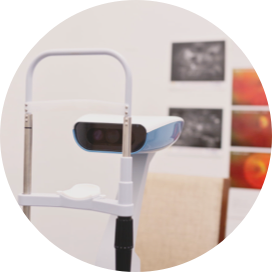
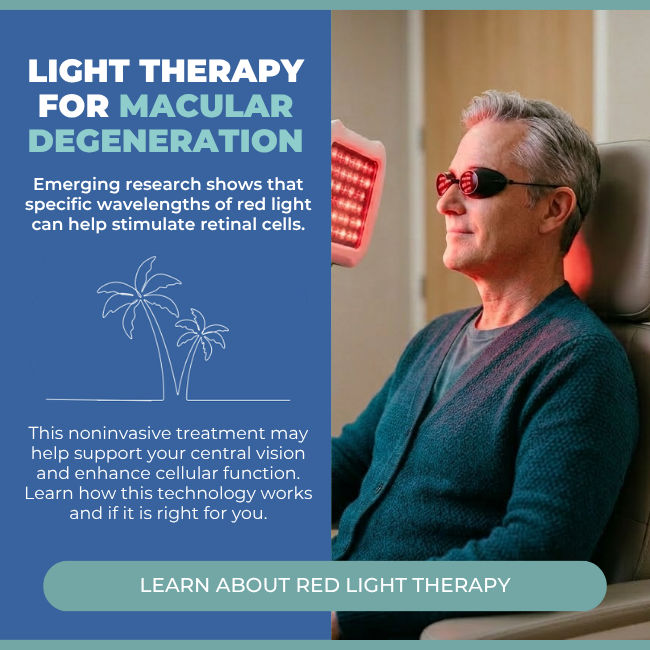
At Daniel Island Eye Care, we use the InfinityPro device to deliver this targeted light therapy safely and comfortably. The experience is entirely stress-free. There are no harsh, bright flashes or uncomfortable instruments.
During a session, you simply sit back and relax while the device does the work. If you are interested in incorporating this simple, supportive technology into your vision care routine, our team is happy to discuss how it works and answer any questions you may have.
When To Visit Your Eye Doctor in Charleston, SC
Protecting your long-term vision comes down to two key practices: scheduling routine preventive care and knowing when a change requires immediate attention.
When to Seek Immediate Care
Sudden or noticeable shifts in your sight should never be ignored or left to see if they improve. You should contact an eye care professional right away if you experience:
- A sudden drop in vision: Waking up to unexpected blurriness or a significant loss of clarity in one or both eyes.
- New visual distortions: The sudden appearance of wavy lines, warped shapes, or blank patches in your central sight line.
Reacting promptly to these sudden changes is one of the most effective ways to protect your retina and preserve the vision you rely on every day.
The Value of Routine Eye Exams
Many eye conditions, including the dry form of macular degeneration, develop quietly without any early symptoms. That is why consistent, proactive checkups are so important:
- Annual checkups after 50: Adults over the age of 50 benefit greatly from yearly comprehensive eye exams, as the risk for age-related changes naturally increases during this time.
- Detailed retinal tracking: A full exam allows your eye doctor to look closely at the health of your retina, catching tiny, invisible structural changes long before they impact your daily sight.
Eye Care for Your Entire Family
At Daniel Island Eye Care, we have created a warm, modern environment where your entire family can feel completely at ease. Our friendly eye doctors believe that great care starts with listening, which is why we always take the time to understand your daily lifestyle and answer your questions thoroughly. Whether you are due for a routine checkup or looking for personalized vision solutions, our team is here to support you every step of the way.
Schedule a visit with us today to look after your long-term eye health and keep your vision clear.