

If you wear scleral lenses or are thinking about getting them, one of the first things you may want to know is how long they’ll last. After all, these lenses are custom-made for your eyes, and they’re an investment in your vision and comfort.
Daniel Island Eye Care has been helping people find the right lens solutions since 2005, and our team is ready to walk you through every step of the process.
Scleral lenses typically last 1–2 years with proper care, though some can last up to 3 years depending on your habits and how your eyes change over time. A lot comes down to how you handle and clean them daily. The good news is that with the right routine, you can keep them in great shape for as long as possible.
What Are Scleral Lenses?
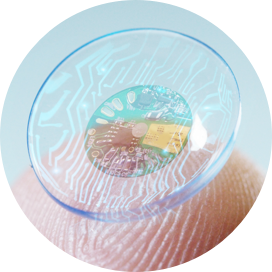
Scleral lenses are larger than standard contact lenses, and they rest on the white part of your eye, which is called the sclera, rather than sitting directly on your cornea. This design creates a small space between the lens and your eye’s surface. Before you put them in each morning, you fill that space with sterile saline solution, which acts like a cushion of moisture all day long.
Because each pair is custom-made to match the shape of your eye, the fit is very precise. That’s part of what makes them so effective for people who haven’t had success with regular contacts. It’s also why keeping up with replacements matters.
How Long Scleral Lenses Typically Last
Average Lifespan
Most scleral lenses last somewhere between 1 and 2 years. Some wearers get closer to 3 years out of a pair, especially when they’re diligent about care, and their eyes stay relatively stable. Think of it like a good pair of running shoes. The lifespan depends just as much on how you use them as on the quality of the product itself.
Your eye doctor will check the condition of your lenses at follow-up visits and let you know when it’s time for a new pair. Sticking to those appointments helps catch any issues early before they affect your comfort or vision.
What Affects How Long They Last
Daily cleaning habits make the biggest difference. Lenses that get cleaned thoroughly and stored correctly simply last longer. On the flip side, using the wrong cleaning solution, even one that seems similar to what was recommended, can break down the lens material faster than you’d expect.
Changes in your eye’s shape can also shorten a lens’s useful life. If your prescription or corneal shape shifts, the fit changes, and the lens may need to be replaced sooner, even if it looks fine on the outside. This is especially common for people managing conditions like keratoconus.
Signs It’s Time to Replace Your Scleral Lenses
Sometimes a lens looks okay but doesn’t perform the way it used to. Your eyes will usually tell you something’s off before you spot any visible damage. Watch for these signs that it might be time for a new pair:
- Blurry or reduced vision that doesn’t improve after cleaning the lens
- Visible scratches, chips, or a cloudy appearance on the lens surface
- Increased discomfort or irritation that wasn’t there before
If any of these sound familiar, it’s worth reaching out to your eye doctor sooner rather than later. Wearing a damaged or poorly fitting lens can affect more than just your vision, so it’s always better to check in when something feels off.
Eye Conditions Scleral Lenses Can Help With

Scleral lenses are often recommended for people whose corneas have an irregular shape. Keratoconus is one of the most common reasons someone gets fitted for sclerals. Because the lens vaults over the cornea rather than touching it, it can create a smooth surface for light to pass through, which helps improve clarity for eyes that standard lenses can’t correct well.
Chronic dry eye is another condition where scleral lenses can make a real difference. The saline-filled space between the lens and your eye keeps the surface hydrated throughout the day, which can feel like a relief for eyes that are constantly dry or irritated with other lens types.
Daily Wear Considerations
Most scleral lens wearers build up to wearing them for 10 or more hours a day, though everyone’s eyes are a little different. Some people find that removing the lenses mid-day, rinsing them, and refilling them with fresh saline before reinserting helps keep things comfortable. That’s completely normal and doesn’t mean anything is wrong with the lenses.
One thing to keep in mind is that scleral lenses aren’t meant to be worn while sleeping or napping. Removing them before you rest helps protect both the lenses and your eyes.
Tips for Caring for Your Scleral Lenses
The single most important habit is washing your hands thoroughly before you ever touch your lenses. Clean hands reduce the risk of transferring oils, lotions, or bacteria to the lens surface, which can cause both discomfort and early lens wear. It takes an extra 30 seconds and makes a real difference over time.
Always use the cleaning and storage solutions your eye doctor recommends, not a substitute you picked up on sale. Certain solutions can react with scleral lens materials and cause clouding or damage that shortens how long the lens lasts.
What to Avoid
- Never rinse lenses with tap water or saliva, as both can introduce harmful bacteria.
- Avoid handling lenses roughly to avoid scratches.
- Don’t stretch a pair past its recommended replacement schedule, even if they still look okay.
Good habits now mean fewer surprises later. Keeping your lenses clean and handling them gently is the most straightforward way to get full value from every pair.
Find Your Right Fit
Daniel Island Eye Care has been helping people throughout the Charleston area find contact lens solutions that fit their lives since 2005. Whether you’re new to scleral lenses or want to make sure your current pair is still working for you, an eye doctor in Charleston, SC, can help you figure out the next step. Reach out to our team to schedule your appointment today.