
Key Takeaways
- Keratoconus shows up in about 1 in 400 people.
- The cornea thins and bulges into a cone shape, which blurs and distorts vision.
- Many cases begin in the late teens or early twenties and can progress into the mid-30s.
- Eye rubbing, allergies, and a family history can raise the odds.
- Corneal topography maps the shape of your cornea and helps catch changes early.
- Specialty contact lenses, cross-linking, and other treatments can help improve your vision.
You’ve heard of nearsightedness. You’ve heard of astigmatism. Keratoconus, though, tends to come up only after someone gets the diagnosis, usually a teenager whose glasses prescription keeps changing every few months.
Keratoconus is considered uncommon but not rare, affecting about 1 in 400 people, depending on how it’s measured. Daniel Island Eye Care sees these cases regularly, and our team offers keratoconus care at every stage.
Keratoconus by the Numbers
The classic figure quoted for decades was 1 in 2,000. Then corneal mapping technology got better, and milder cases started turning up in exams where nobody suspected a thing. Some research now puts the number closer to 1 in 400.
It shows up in every ethnic group and on every continent. Rates run higher in some populations, and researchers are still sorting out why. What matters for you is simpler. Keratoconus is common enough that a thorough eye exam should be looking for it, especially if anyone in your family has been diagnosed. Learning about the stages of keratoconus can help you understand where things stand.
What Happens to the Cornea
Your cornea is the clear dome at the front of your eye. It bends light so images land sharply on your retina. With keratoconus, that dome gradually thins and pushes forward into a cone shape.
Once the surface loses its even curve, light scatters instead of focusing. Straight lines look wavy. Streetlights smear into starbursts. Both eyes are usually involved, though one often changes faster than the other, which can make the shift easy to miss at first.
Signs to Watch For
The early symptoms often overlap with plenty of ordinary vision problems, so they’re easy to shrug off. Pay attention to:
- Blurry or distorted vision that new glasses don’t quite fix
- Glare, light sensitivity, and trouble driving after dark
- Prescription changes every few months instead of every year or two
- Halos or ghosting around headlights and screens
At What Age Does Keratoconus Start?
Many people first notice something in their late teens or early 20s. That’s also when a lot of young adults are getting their first driver’s license and spending long hours reading, so the blur tends to get blamed on eye strain.
Changes can continue into the mid-30s, sometimes slowly and sometimes in bursts. After 30, new diagnoses become less frequent, and the cornea often settles into a stable shape. If your teenager keeps asking for a stronger prescription, that pattern is worth mentioning at the next appointment.
Risk Factors
A family history of keratoconus increases your risk, so parents with it should have their kids’ eyes checked as they grow. Frequent, hard eye rubbing is another factor, since the pressure works against a cornea that’s already thin. Allergies, asthma, and certain connective tissue conditions occur more often in people with keratoconus, likely because itchy eyes lead to increased rubbing.
Habits That Help Protect Your Eyes
Treating seasonal allergies during Charleston’s long pollen stretch cuts down on itching, which helps cut down on rubbing. When your eyes itch, a cool compress for a few minutes provides real relief without putting pressure on the cornea.
Regular eye exams matter too. Corneal changes can be measured before you notice anything, and earlier action generally means more options.
Diagnosis and Treatment Options
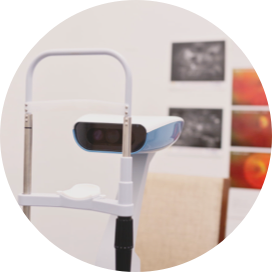
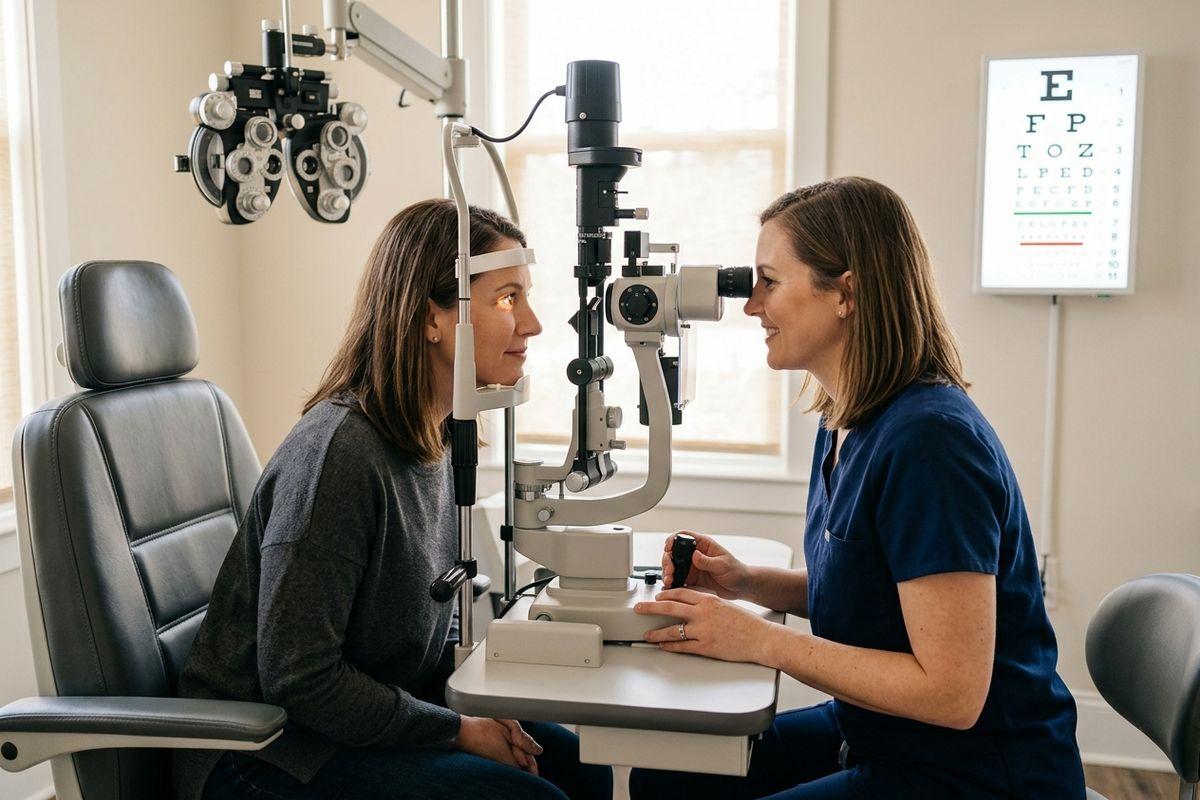
It starts with a comprehensive eye exam and a conversation about your health history, your symptoms, and how often you rub your eyes. From there, corneal topography creates a detailed map of your cornea’s surface, showing thinning and steepening long before it becomes obvious on a vision chart.
Treatment options can include:
- Glasses or soft contact lenses, which often work well in the earliest stages.
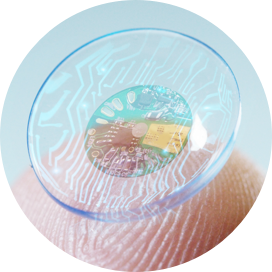
- Specialty lenses, which often take over as the cornea steepens, including rigid gas permeable, hybrid, and scleral lenses that vault over the cornea and create a smooth surface for light to pass through.
- Corneal cross-linking, which can help slow progression, and ring segments or a corneal transplant may be considered in more involved cases.
Come See Us
Fitting specialty lenses for keratoconus takes patience and a deep lens inventory, and our team at Daniel Island Eye Care has both. If your vision keeps shifting or glasses aren’t cutting it anymore, book an eye exam and get answers.