Key Takeaways
- Age-related macular degeneration (AMD) has dry and wet types with different symptoms.
- Treatment cannot reverse the condition but helps slow vision loss.
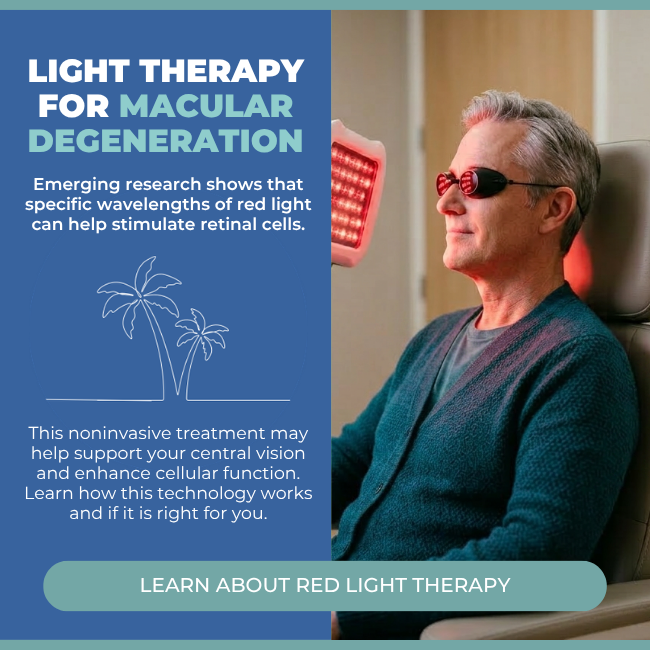
- Red light therapy offers a modern approach for dry macular degeneration.
- Daily habits and specific vitamins support overall eye health.
- Routine visits to an optometrist help protect your vision.
You might feel worried when you notice blurry spots in your central vision or straight lines looking wavy. These changes often point to age-related macular degeneration (AMD), a common eye condition that affects the central part of your vision. Treatment cannot reverse macular degeneration, but it can slow progression and protect your remaining vision.
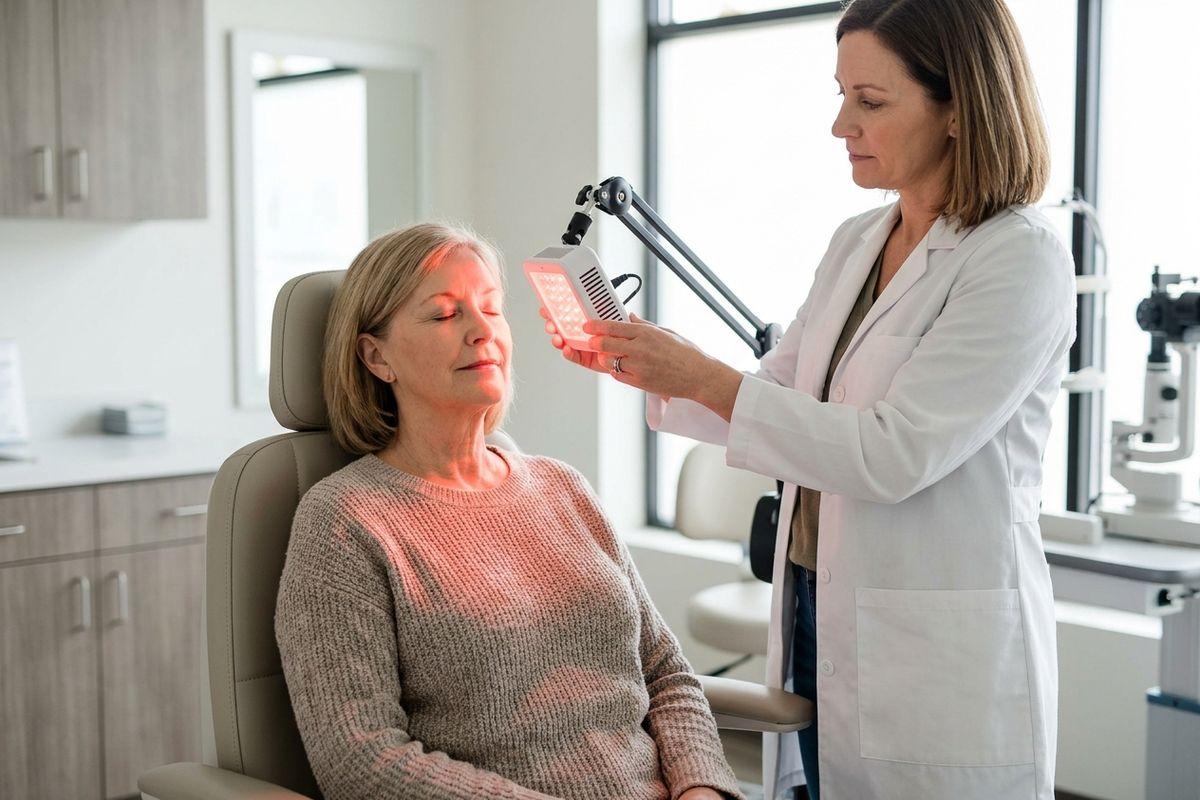
When you visit Daniel Island Eye Care, your eye doctor can evaluate your eyes to identify the specific type of AMD you have. Our practice offers modern options like red light therapy for dry macular degeneration, giving you practical ways to manage your eye health. Early detection makes a big difference in how well these treatments work.
What Is Age-Related Macular Degeneration?
The Difference Between Dry and Wet Types
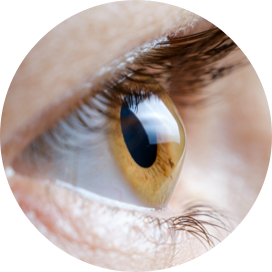
Macular degeneration happens when the central part of your retina, called the macula, wears down over time. This tiny area of the eye controls your sharp, straight-ahead vision.
Eye doctors categorize this condition into two main types based on how it develops. Here are the primary differences between them:
- Dry AMD involves thinning tissues and fatty deposits.
- Wet AMD involves fragile blood vessels leaking fluid.
Signs and Symptoms to Watch For
You might not notice any changes during the early stages of this condition. Symptoms usually develop gradually over months or years, making them easy to miss at first.
Watch for these common signs:
- Dark or blurry spots in your central vision.
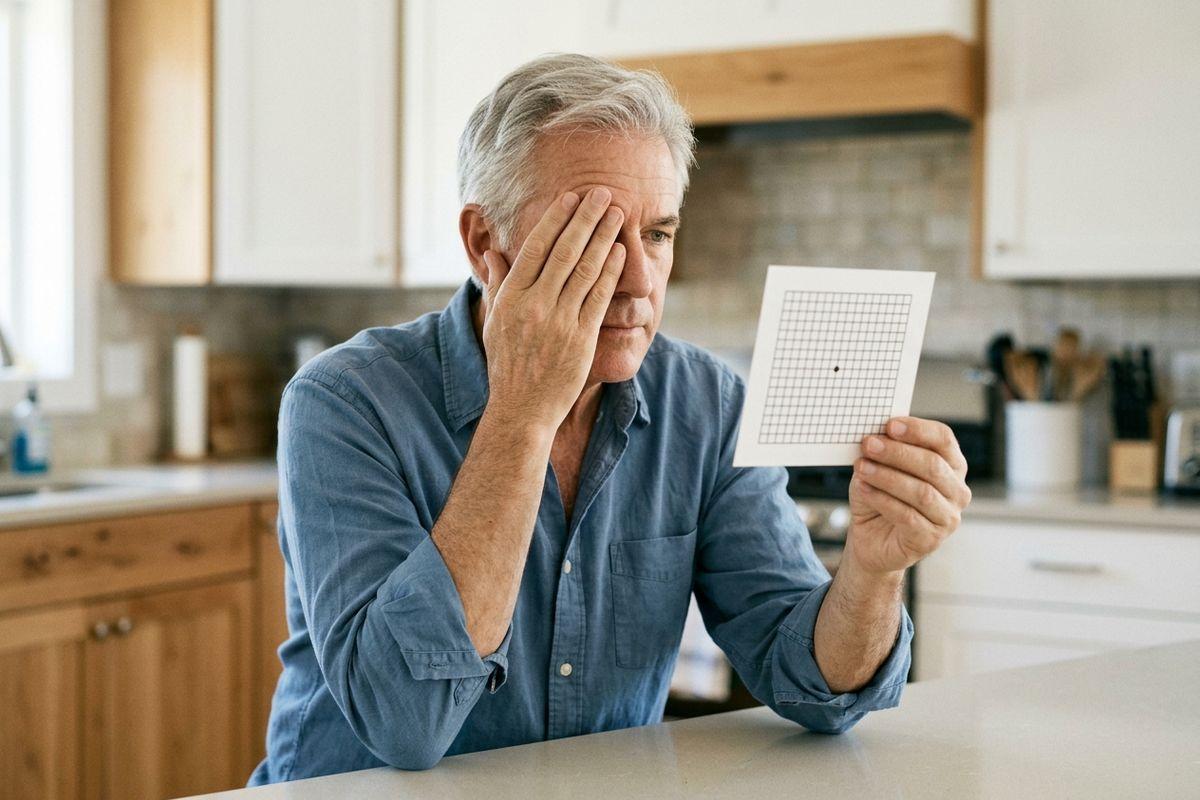
- Straight lines that look wavy or bent.
- Trouble recognizing faces or seeing in low light.
Can You Improve Your Vision if You Have Macular Degeneration?
A diagnosis of macular degeneration does not mean you lose your independence. Modern treatments aim to preserve the vision you currently have and keep you moving comfortably.
Medical interventions can provide several benefits:
- Slow down the progression of vision loss.
- Protect your remaining central vision.
- Manage early symptoms before they worsen.
What Treatment Can’t Do
Setting realistic expectations helps you make practical decisions about your eye care. No medical intervention works like a time machine for your eyes.
Here is what current options cannot achieve:
- Reverse or cure the condition.
- Fix vision damage that already happened.
- Make the disease completely disappear.
Is There a New Treatment for Macular Degeneration?
Modern Options for Wet AMD
Modern medicine continues to expand the tools available for managing vision loss. Wet AMD requires specific medical approaches to address fluid leakage in the eye.
Your eye doctor might recommend these options:
- Eye injections to slow abnormal blood vessel growth.
- Long-lasting implants to reduce treatment frequency.
Red Light Therapy for Dry AMD
For people with the dry form of the condition, new approaches offer gentle support. Red light therapy uses specific wavelengths of light to stimulate cellular activity in the eye.
This approach provides several key advantages:
- Sessions take just a few minutes during your appointment.
- Offers a gentle way to support macular health.
Nutrition and Supplements for Eye Health
What you put on your plate affects the delicate tissues inside your eyes. A balanced diet packed with specific nutrients helps give your eyes the fuel they need to function properly.
Consider adding these nutritional habits to your routine:
- Ask your eye doctor about AREDS2 vitamin blends.
- Eat leafy greens like spinach and kale.
- Maintain a healthy blood pressure and weight.
Daily Habits to Support Vision
Your lifestyle choices play a significant role in how your eyes age over time. Small changes to your daily routine add up to better long-term eye health.
You can protect your eyes with these simple actions:
- Quit smoking to reduce cellular damage risks.
- Wear sunglasses to block UV and blue light.
- Check vision daily with an Amsler grid.
How to Protect Your Vision Today
Schedule Routine Eye Exams
Regular visits to an optometrist keep you informed about your eye health. A comprehensive checkup lets your eye doctor examine the back of your eye, often long before you notice any blurry spots.
Take these steps to stay proactive:
- Healthy adults are generally recommended to have an eye exam every 1–2 years, but your eye doctor can recommend a more specific schedule.
- Catch early changes before symptoms become obvious.
- Keep track of your family’s eye history.
Come See Us
Keeping up with your eye health gives you peace of mind for the future. Contact Daniel Island Eye Care today to book a comprehensive eye exam or ask about red light therapy.