

Living with keratoconus can feel overwhelming, especially when you’re trying to figure out the right vision correction for your changing eyes. The cone-shaped cornea (the clear outer layer of the eye) that characterizes this condition affects everyone differently, making it challenging to know which glasses options can help. At Daniel Island Eye Care, we’ve helped our community and patients navigate these decisions since 2005.
The right keratoconus glasses depend on your stage of progression, with regular prescription glasses often working well in early stages and specialty features helping manage symptoms like light sensitivity and glare.
What Is Keratoconus and How Does It Affect Your Vision?
Keratoconus happens when your cornea (the clear front surface of your eye) becomes thin and gradually bulges outward into a cone shape instead of a dome. This irregular shape prevents light from focusing properly on your retina (the back of your eye), leading to vision problems that can affect your daily life.
If you have keratoconus, you might notice these common symptoms:
- Blurred or distorted vision that glasses don’t seem to fix completely.
- Increased sensitivity to light and glare, especially when driving at night.
- Frequent prescription changes as your cornea continues to change shape.
- Double vision or multiple images when looking at lights.
The condition typically develops during your teens or twenties and can progress at different rates for each person. Some people experience rapid changes, while others see gradual progression over many years. Understanding the stages of keratoconus can help you and your eye doctor determine what treatment approach might work for your specific situation.
Glasses Options for Early Stage Keratoconus
Regular Prescription Glasses
In the early stages of keratoconus, regular prescription glasses can often provide clear, comfortable vision. Your eye doctor can correct the mild astigmatism with standard cylindrical lenses.
These glasses work well when your cornea hasn’t developed significant cone-shaped distortion yet. However, as keratoconus progresses, you might find that even new glasses don’t provide the sharp vision you need.
Specialty Lens Coatings and Features
Some people find that adding specific features to their glasses helps them manage keratoconus symptoms. These could include:
- Anti-glare coatings that reduce reflections and help with light sensitivity issues.
- Blue-light filtering options, which some people find help with comfort during computer work.
- Photochromic lenses that darken automatically outdoors, providing comfort in bright sunlight.
These features don’t correct the vision distortion caused by keratoconus, but they may make your daily activities more comfortable. Many patients find that anti-glare coatings particularly help with night driving difficulties. To support your overall visual health, consider UV-protective sunglasses to shield your eyes from harmful rays.
When Glasses Stop Working for Keratoconus
As keratoconus progresses, you might notice that glasses no longer provide the clear vision you need. This transition point varies for each person, but there are some signs to watch for.
These symptoms indicate you might need to explore contact lens options:
- Vision remains blurry or distorted even with updated glasses prescriptions.
- Your prescription changes frequently instead of staying stable.
- Night vision problems worsen, making driving difficult or unsafe.
- Straight lines appear wavy or bent through your glasses.
If you reach this point, don’t worry: There are specialized contact lens options designed specifically for keratoconus that can improve vision. There is also corneal mapping technology (such as topography), which helps your eye care team determine if transitioning to contact lenses may help.
Frame Selection Tips for Keratoconus Patients
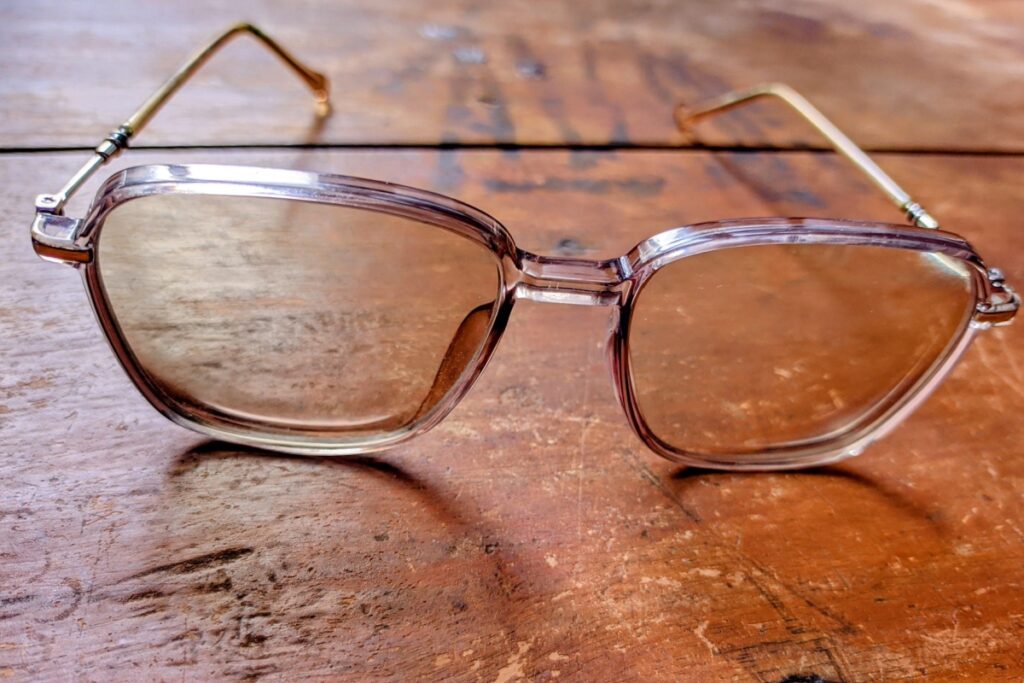
Frame Styles That Work Well
Choosing the right frames is always important, but it’s especially significant when you have a higher prescription. If you need thicker lenses, sturdy, well-constructed frames often hold heavier lenses more comfortably and maintain their shape longer.
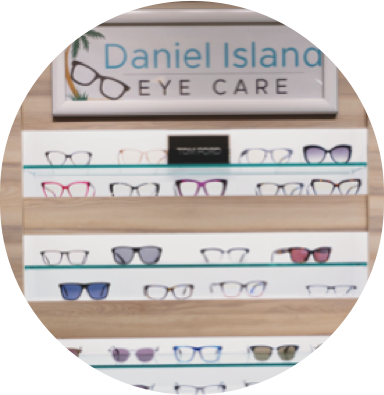
Try looking for frames with deeper lens areas that can accommodate the thickness of your prescription lenses. We sometimes recommend avoiding very thin or delicate frame styles that might bend or break under the weight of stronger lenses. Our stylish selection of frames includes options specifically chosen for their durability and comfort.
What Frame Features to Look For
Specific frame features can make your glasses more comfortable and functional:
- Adjustable nose pads distribute weight evenly and prevent sliding.
- Wider temples can provide better stability and reduce pressure points.
- Durable materials like titanium or quality acetate can withstand frequent adjustments well.
Since keratoconus prescriptions often change, investing in quality frames means you can update just the lenses rather than replacing the entire pair each time.
Working with Your Eye Doctor
Regular Monitoring
Keratoconus often requires more frequent monitoring than typical vision changes. Our eye care team can track how your cornea shape changes over time so that we can adjust your treatment approach accordingly. Regular comprehensive eye exams are essential for tracking progression.
These regular visits help catch progression early and confirm that your current glasses prescription still provides the clarity you need. Your eye doctor can also spot when it’s time to consider contact lens options before your vision becomes too compromised.
Transitioning from Glasses to Other Options
If glasses aren’t giving you the correction you need anymore, your eye care team can guide you through the transition to specialized contact lenses. This process involves careful fitting and follow-up so that you feel comfortable and confident in your new lenses.
The transition doesn’t have to happen all at once, as many patients use both glasses and contacts depending on their daily activities. Your eye doctor can help you determine the right combination for your lifestyle. Scleral lens fitting is often the next step for patients whose glasses are no longer providing the clarity they need.
Schedule Your Appointment
At Daniel Island Eye Care, we understand that managing keratoconus can require personalized attention and ongoing support. Whether you need updated glasses, specialty lens coatings, or guidance about transitioning to contact lenses, we’re here to help you maintain clear, comfortable vision. Schedule your keratoconus evaluation and discover which vision correction options can work for your unique needs.